Residential Care
Sometimes life at home becomes challenging, and your loved one needs a little more support. At Canwick House, we provide gentle, thoughtful residential care in a calm, homely environment where independence and dignity are cherished every day.
What is Residential Care?
Residential care is for people who need a little more support with everyday life, and those who no longer feel safe or comfortable managing at home. It provides reassurance, companionship and help with daily routines, without the feel of a clinical setting.
At Canwick House, care is shaped around your loved one. We support independence wherever possible, following familiar routines and preferences so life continues in comfort and familiarity.
A small, long-standing team take time to really know your loved one, and we work closely with local GPs and health professionals, so support is always well coordinated and reassuring.
Who is it for?
Our residential care is for older people, aged 65 and over, who need support with daily living but do not require nursing care.
It can help when everyday tasks at home are becoming harder to manage, when someone feels lonely or unsettled, or following a fall, illness or hospital stay that makes independent living feel less safe.
It is rarely one single moment but a gradual change, and many families reach a point where they want reassurance that their loved one is safe, supported and not on their own.
40 years
Family-owned residential care
CQC Good
An independently rated standard of care
Canwick village
Beautiful gardens in a peaceful setting
Our approach to care
We focus on supporting independence and helping life feel familiar, comfortable and unhurried. Our small, long-standing team take time to really know your loved one, from daily routines and preferences to the little details that bring reassurance.
Life follows a gentle rhythm rather than a rigid schedule, with flexible mealtimes, time in the garden, home-cooked meals, and calm companionship or quiet time, depending on what feels right.
Families are always welcome and kept involved in the way that suits you.
How are you feeling?
It's okay not to have all the answers right now. Taking this step takes courage, and we'll walk through every question, every concern, and every worry with you. You don't have to figure this out alone.
The important questions
Moving into residential care is a big step, so we take time to make the transition as gentle and reassuring as possible. Before your loved one moves in, we'll have a detailed conversation about their routines, preferences, and what brings them comfort. In the first few days, our team focus on helping your loved one feel safe and familiar with their surroundings. We introduce them to other residents at their own pace, follow their usual routines wherever possible, and make sure they know where to find us if they need anything. Families are welcome to visit as often as they like during this settling-in period, your presence can be enormously reassuring. Most residents find their rhythm within the first week or two, though everyone adjusts at their own pace.
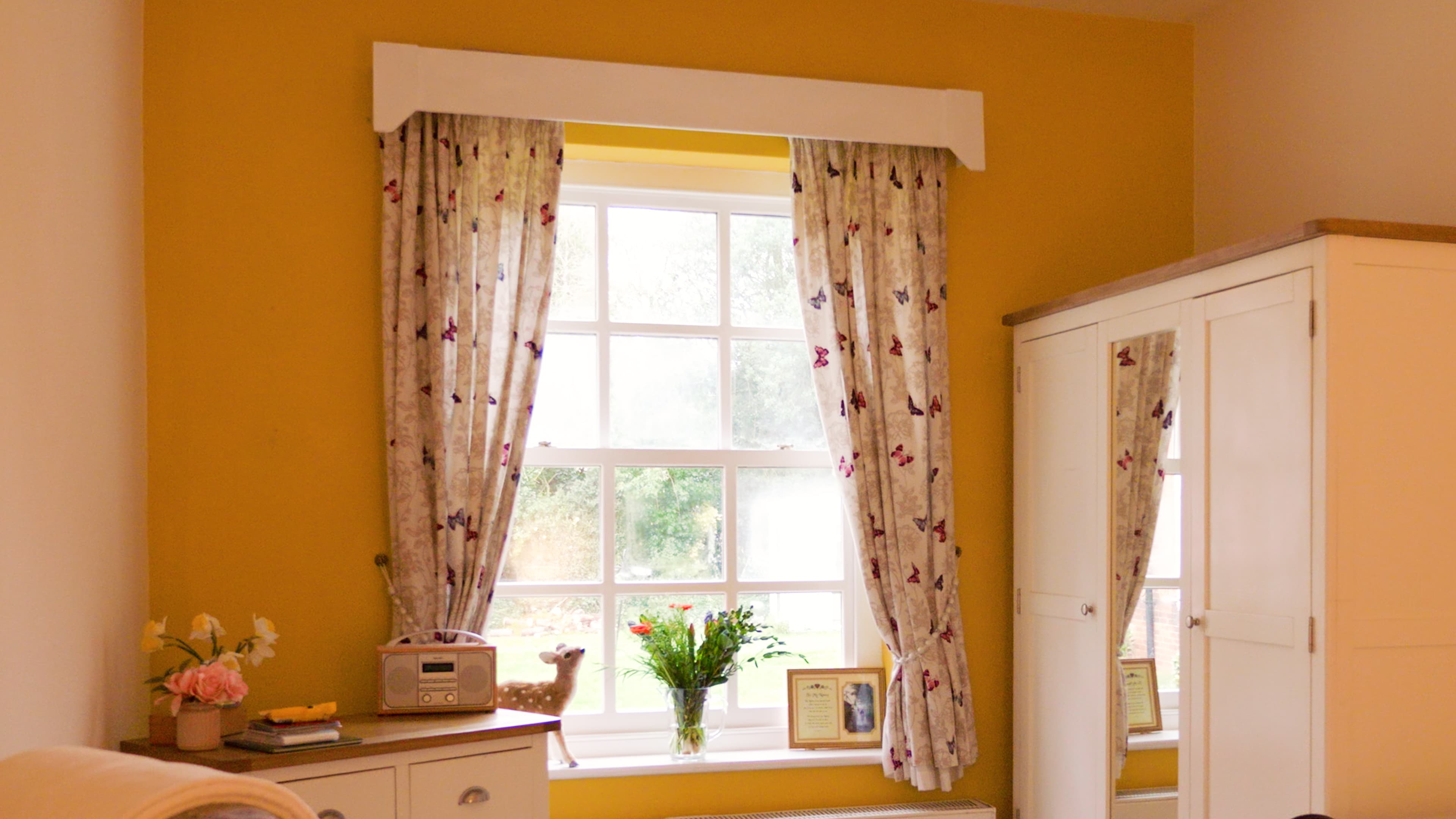
Yes, absolutely. We actively encourage residents to personalise their room with familiar items from home. Many people bring a favourite armchair, photographs, ornaments, bedding, or small pieces of furniture that help their room feel like their own space. There are some practical limits due to room sizes and fire safety regulations, but we'll talk you through what works best when you visit. The important thing is that your loved one's room feels personal and comfortable, filled with the things that matter to them.
The key difference is the level of medical support provided. Residential care offers help with daily living, meals, personal care, medication support and companionship, but doesn't have registered nurses on site 24 hours a day. Nursing care includes all of this, plus round-the-clock nursing support for people with complex medical needs such as wound care, feeding tubes, or conditions requiring constant clinical monitoring. At Canwick House, we provide residential care and work closely with local GPs and district nurses who visit when needed. If your loved one's needs change and they require nursing care, we'll talk you through the next steps honestly and supportively.
Funding for residential care can feel complicated, but we'll help you understand your options in plain, straightforward language. Many of our residents are self-funding, which means they or their family pay for care directly. Weekly fees at Canwick House start from £1,200, though the exact cost depends on individual needs. Some people may be eligible for local authority support if they meet certain criteria around care needs and finances. In certain circumstances, NHS Continuing Healthcare funding might be available, though this is relatively rare for residential care. The most important thing is finding the right home for your loved one. We'll talk you through the costs openly and help you understand what financial support might be available for your particular situation.